



Teaching with film can be an excellent way to enrich learning. From highlighting literary elements such as tone, character, mood, theme and plot, to bringing elements of history alive, good films have a place in any learning community. Especially, in our opinion, because the right film at the right time can provide an excellent entryway into empathy for our fellow global citizens.
We’re excited to share a recommended list of films for you to enjoy this summer. Each one has had a personal and/or classroom impact. We hope at least one film will spark an idea for a unit you are considering for next year, or add fuel to a recurring lesson. Prepare a boatload of popcorn! Ready that couch—and please be sure to comment with other recommendations and/or ideas about how you have or how you will incorporate the movies in your learning space.

Cry Freedom is an epic 1987 drama directed by Richard Attenborough. Set in South Africa in the late 1970s apartheid era, the film is based on a book by Donald Woods and spotlights real-life events of the black activist Stephen Bantu Biko as well as his friendship with Woods.
Why this film made our list: Students often are amazed that apartheid lasted well into the 1980s. The parallels between the end of apartheid and the civil rights movement as well as current racial tensions in the United States are undeniable. Such parallels serve as a mirror of sorts in which to explore and discuss ideas regarding discrimination, friendship across boundaries, corruption of power and the effects of violence. Use excerpts or the film in its entirety to explore literature and history central to such ideas.
Prepare pre- and post-viewing activities using this terrific film education guide. Learn more about South African journalist and author Donald Woods here. Most important, be sure to include Stephen Bantu Biko in your studies of heroic activists from around the world.
Watch the trailer
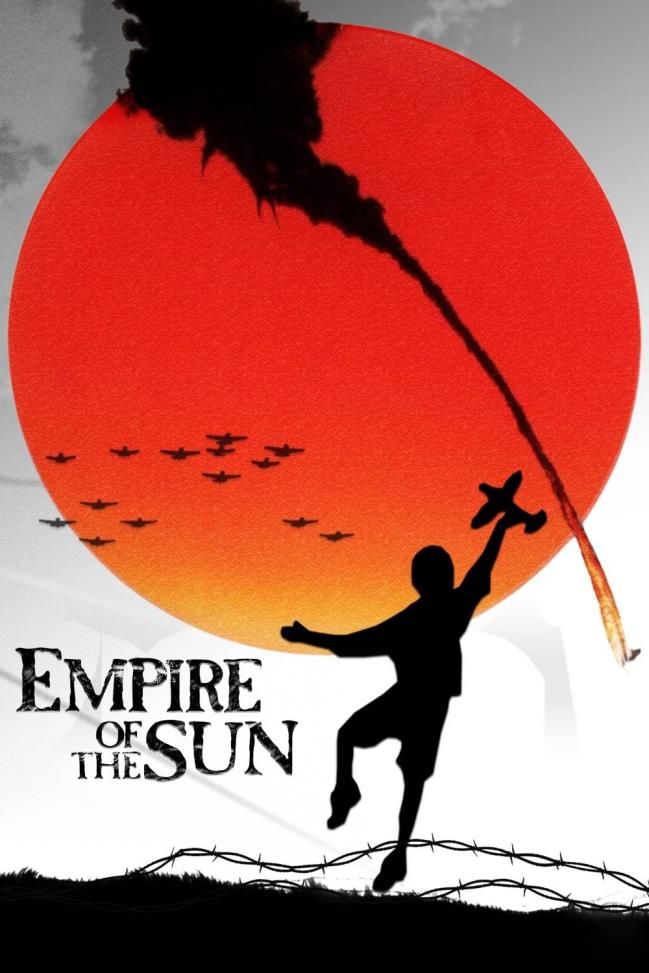
Empire of the Sun is another incredible film from 1987. It was directed by Steven Spielberg and is about a young English boy who struggles to survive under Japanese occupation during World War II. The film is based on J.G. Ballard’s memoir.
Why this film made our list: Talk about a triumph of the human spirit! A young Christian Bale nails his performance. Students can’t believe this is where Batman got his start. This film beautifully captures the power of imagination, ideas of otherness, and the costs of war. It should be used to enrich WWII studies, memoir writing, motif, theme, artistry and the exploration of survival.
Filmeducation.org provides a fabulous guide here. Enjoy a brief but excellent interview with Spielberg about the film here. Check out the memoir by J.G. Ballard and indulge in the soundtrack by John Williams with your students during writing time.
Watch the trailer
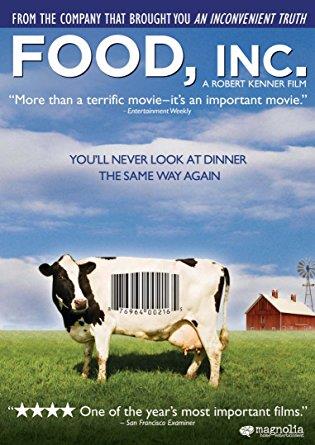
Food, Inc. (2008) examines America’s food industry and its effects on livestock, the environment and human health.
Why this film made our list: This film is not without controversy. It is an eye-opener and a great starting point for studies in argument and debate. Why not include it in an agriculture class or unit? Certainly, it could be incorporated in an economics or sociology course as well. Discussions about mass production, the changing farm industry, subsidies, and corporations such as Monsanto could be greatly enriched with this film. It might also be interesting to show excerpts when reading books about the history of farming and land ownership in America—such as Steinbeck’s The Grapes of Wrath.
Check out this excellent guide for Food, Inc. from PBS here.
Watch the trailer
Frame by Frame is a 2015 feature-length documentary about photojournalists in Afghanistan following the fall of the Taliban in 2001, which had made taking photographs a criminal act.
Why this film made our list: The photojournalists featured in this film showcase what it means to speak truth to power through art. Their bravery, commitment and sense of responsibility to use photography to tell stories in the face of continued danger are awe inspiring. Classroom/thematic connections include freedom of the press, creative activism, visual storytelling, oppressive regimes and resistance.
Check out the film’s website, and watch the trailer below.
This film is still being screened at theaters and festivals. Check your local listing, and be on the lookout for when it is available to rent or purchase!
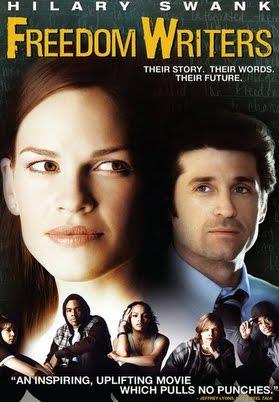
Freedom Writers (2007) traces the efforts of real-life teacher Erin Gruwell and her students at Woodrow Wilson High School in Long Beach, Calif., during the tumultuous period following the L.A. riots.
Why this film made our list: It is impossible to watch this film and not be inspired whether you are a teacher or student. The circumstances in which Erin Gruwell had to cut her teaching chops as a first-year teacher are hard to imagine for many but very relevant for others even today. This movie is wonderfully paired with a study in poetry and/or the Holocaust, and especially with works such as The Diary of Anne Frank, Durango Street, Romeo and Juliet, or Zlata’s Diary. It should be central to discussions regarding perseverance, diversity and our common humanity.
There are numerous resources for teaching the film as well as guides for some of the lessons featured in it. Be sure to check out this great curriculum guide for the film and to explore the Freedom Writers Foundation.
Watch the trailer
* Full Disclosure: Jess attended the Freedom Writers Institute led by Erin Gruwell and the Freedom Writers this summer. She’ll be sharing more about that in an upcoming post.*

Imba Means Sing is a 2015 feature-length documentary about the African Children’s Choir, highlighting the beautiful and inspiring stories of choir members Moses, Angel and Nina of choir 39.
Why this film made our list: Above all else, it makes our hearts imba! You and your students will be immediately captivated by Moses, Angel and Nina as they tell their own stories of life in Uganda, their love of their families, their dreams for the future and their deep appreciation of the opportunities the African Children’s Choir has afforded them. Their hard work and dedication, and their singing and dancing, are sure to make your heart imba, too. Classroom/thematic connections include poverty, education and the power of music.
Check out the film’s website, and watch the trailer below. A comprehensive discussion guide that includes related historical information and answers to frequently asked questions is available as well.
Common Sense Media recommends the film for students age 8 and up.
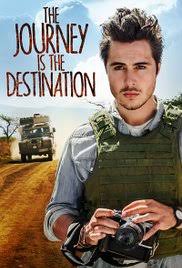
The Journey Is the Destination (2016) is a biopic, chronicling the inspiring work of artist, activist and photojournalist Dan Eldon as he finds and pursues his passions.
Why this film made our list: This film is heartbreakingly inspirational in that it spotlights just how much young people can accomplish when willing to take risks and remain true to themselves. It would be excellent enrichment for exploring the merits of journaling, artistic expression, global politics and citizenship. Themes of adolescence run strong in the areas of friendship and self-discovery.
As discussed in our inaugural post for Kindred Spirits, we became connected through our involvement in Rock Your World/Creative Visions. At the helm of Rock Your World and the Creative Visions Foundation is Kathy Eldon, the mother of Amy and Dan Eldon. She is a producer of this film and another reason why The Journey Is the Destination is so dear to our hearts.
Watch the trailer
The Journey is the Destination Trailer from Creative Visions Media on Vimeo.
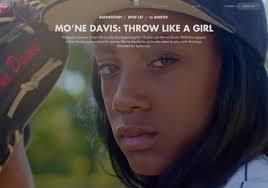
Mo’ne Davis: Throw Like a Girl. In 2014, Mo’ne Davis was one of two girls who played in the Little League World Series. She was the first girl to earn a win and to pitch a shutout in the history of the Little League World Series. This film, directed by Spike Lee, is about 16 minutes in length but lasting in impact.
Why this film made our list: This short would be a terrific enrichment piece when studying literature in which a female character is central to a plot for her strength and/or for being underestimated. Pair it with Anne of Green Gables or, at the secondary level, explore how this documentary creates an arc of story and character. Given its short length, it would serve as an excellent writing prompt in any content area. There are tons of topics to work with here: gender, sports culture, race, limitations and triumphs.
You can also pair it with Mo’ne Davis’ autobiography, Mo'ne Davis: Remember My Name: My Story from First Pitch to Game Changer.
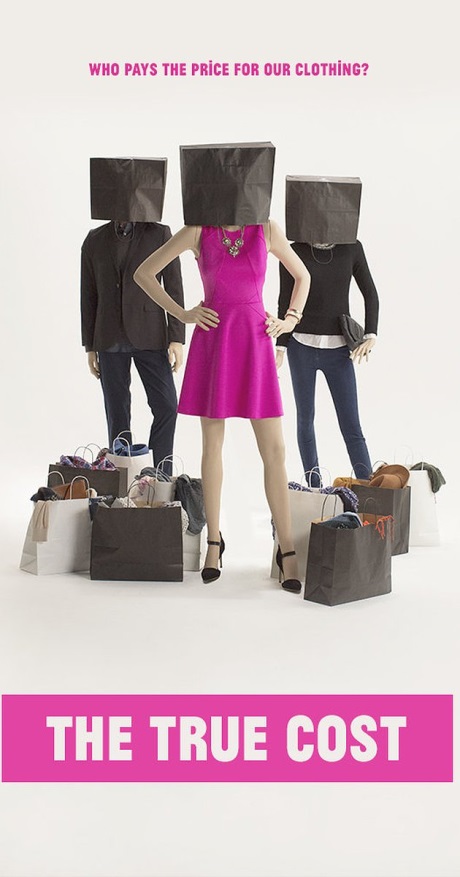
The True Cost is a 2015 feature-length documentary, rated PG-13, that shows the real costs of “fast fashion,” taking on human rights and environmental issues related to the fashion industry.
Why this film made our list: This film will have you and your students using a new lens to focus on the clothes you buy and wear. It shows how as consumers of fast fashion, we are directly connected to the human rights and environmental issues the film addresses. Most important, it offers a call to action for us as consumers to consider how we can make a positive impact on these issues. Rich classroom discussions about human rights, consumerism and global capitalism are guaranteed.
Check out the film’s website, and watch the trailer below.

Water (2005) is a historical film, set in India in 1938, that tells the story of 8-year-old Chuiya, who as a child bride now widowed, is sent to live with other widows in an ashram.
Why this film made our list: The story of Chuiya and those whose lives intersect with hers once she is sent to the ashram are both heartwarming and heartbreaking. You and your students will dive into meaningful discussions about the rights of girls and women, the relationship between religion and tradition, and the process of social change. The film inspires further study into India, Hinduism, and Gandhi as well.
Watch the trailer below, and check out the supplemental materials offered by Teach with Movies.
Please share your favorite socially conscious film and/or activities with us by adding to this blog’s comments!
Forward Thinking with Kindred Spirits: Kindred Spirits will gather with you here twice a month to explore current human rights issues, to highlight useful resources, and to feature teachers and leaders who are pioneers of this important work. We aim to provide spark after spark of information and inspiration around this collaborative campfire in the hope that your participation will keep the spirit glowing.
Our next post will be centered on Jess’ take-a-ways from her participation in the Freedom Writers Teacher Institute and beginning-of-the-year activities designed to establish a sense of unity before the school year kicks into high gear.
Author Bios
 Tricia Baldes
Tricia Baldes earned a master’s in English from Lehman College and has been a middle level educator since 2001. Her passion for human rights education has led to her writing curriculum and consulting with nonprofit organizations like Creative Visions, Speak Truth to Power and KidsRights. She co-authored the Rock Your World curriculum and currently works with the team as a program coordinator. In addition to presenting at national conferences for NCTE and ACSD, Baldes has led various teacher trainings and programs for students. She teaches eighth-grade English in Westchester County, N.Y.
 Jess Burnquist
Jess Burnquist earned her MFA in Creative Writing from Arizona State University. Her writing has appeared in the Washington Post, Time.com, NPR.org, and various online and print journals. She is a recipient of the Joan Frazier Memorial Award for the Arts at ASU and has been honored with a Sylvan Silver Apple Award. She teaches high school English, creative writing and AP Literature in the greater Phoenix metropolitan area and is a program coordinator for Rock Your World. Her poetry chapbook You May Feel Your Way Past Me is forthcoming from Dancing Girl Press in spring 2017.

Kindred Spirits offers an opportunity for educators and school staff to gather in the exchange of ideas, resources, stories and lessons pertaining to human rights education and students’ social and emotional growth. Please join us and contribute your voice to a chorus of kindred spirits.
Advertisement