





About This Lesson
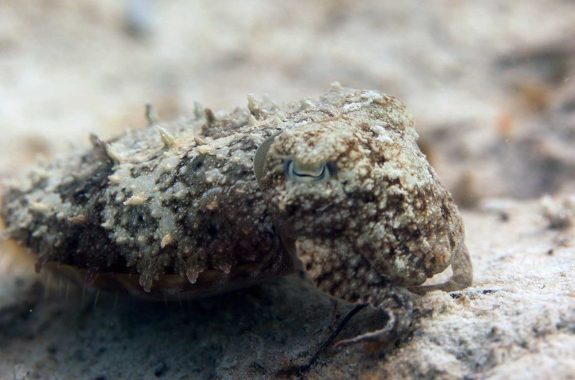
Cephalopods are soft-bodied invertebrates living in an ocean of sharp-toothed and large-mouthed visual predators. They can change the texture of their skin, making it even more difficult for a predator to see their body in complex environments. To do this, cuttlefish and octopus use papillae, muscly balloon-like skin structures that can expand into various shapes and sizes.
You can model a single papilla using just a balloon and duct tape. If you’re feeling fancy, you can even engineer your model papilla to take on a particular shape. So grab some large (12-inch) balloons, a roll of duct tape, and let’s get to know papillae up close!
Teachers, you can find the full resource on Science Friday's website by clicking here.


