



Exploring the Effects of Childhood Trauma
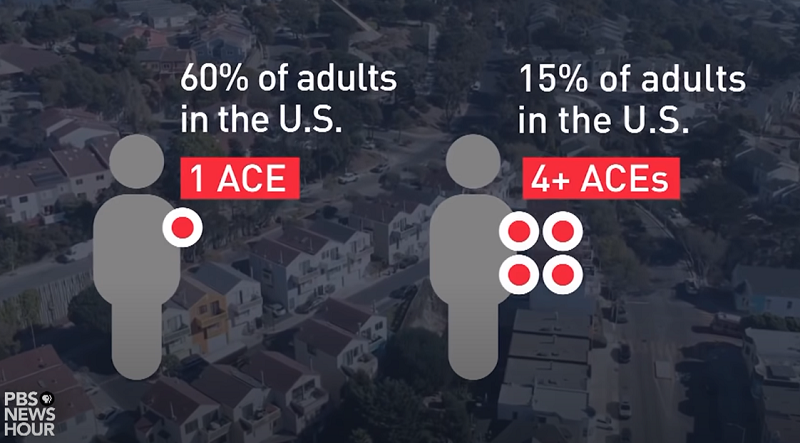
Childhood trauma is caused by experiences that take a lasting emotional or physical toll, something mental health experts call Adverse Childhood Experiences, or ACEs. Amid a global pandemic, such problems are only getting worse.
Watch the video and answer the discussion questions. A transcript of the video is available here. This video is part of a series on childhood trauma, “Invisible Scars: America’s Childhood Trauma Crisis.” You can find the full series here.
- Through the coronavirus pandemic, children are more at risk for childhood trauma.
- There has been increased rates of domestic violence, substance use and mental health concerns. There is also decreased rates of people reporting child abuse.
- Health experts try to help those who have had experiences with trauma growing up, since these individuals are at a much greater risk for short-term and long-term health impacts.
Discussion Questions: Childhood Trauma and Getting Help
- Who is the family that the video presents?
- Why were they chosen for this video?
- What long-term effects could childhood trauma have on people?
- Where does trauma come from?
- Where can people impacted by childhood trauma get help?
- How does trauma affect later hardship?
Focus Questions
- In what ways not described in the video could having trauma as a child affect a person later in life?
- Why do you think there can be stigmas around discussing and treating childhood trauma when it is so common among American families?
Media Literacy:Do you think the reporter displayed a broad enough representation of the issue from their choice of interviewees? Who else would you interview if you could?
Dig Deeper:Suicide Risk and Prevention
Watch this video from EXTRA’s Summer Zoom Series featuring Dr. Gary Rosenberg on childhood trauma, the rise of self-harm in recent decades and the importance of trauma-informed education. Note: This video discusses suicide statistics and prevention. Ask your students: How is suicide prevention discussed in their school? Do they wish the issue of suicide prevention was discussed more? Why would COVID increase the risk of person committing an act of self-harm?
- Click here for a PowerPoint prepared by Dr. Rosenberg on the effects of COVID-19 and quarantine on students.
- You may also want to read this article from the Child Mind Institute about mindfulness and COVID-19.
Additional Resources
- Watch this video on the cycle of childhood trauma in rural Montana, where there is a lack of mental health resources and a stigma surrounding treatment.
- How did the stigma around seeking help for mental health affect the students at Grace’s school?
- If you had concerns about your mental health, would you feel comfortable seeking help? Do you have a trusted adult you could go to? If not, where could you find resources to help you?
- Read this article to learn how to find help with healing from childhood trauma.
- This EXTRA lesson explores the way art can help overcome trauma, including the trauma of loneliness and isolation.
- This EXTRA Educator Voice piece explores the challenges of establishing trauma-informed teaching in a school setting.
Republished with permission from PBS NewsHour Extra.

PBS News Hour Classroom helps teachers and students identify the who, what, where and why-it-matters of the major national and international news stories. The site combines the best of News Hour's reliable, trustworthy news program with lesson plans developed specifically for... See More
Advertisement