
How Local Journalism is Vital to Civic Engagement

December 9, 2020

How Local Journalism is Vital to Civic Engagement

Ask students: What is the importance of local journalism? What will be the effect on communities if they lose all local investigative journalists?
Share

Share On Facebook
Share On Twitter
Share On Pinterest
Share On LinkedIn
Email

How Local Journalism Affects Civic Engagement

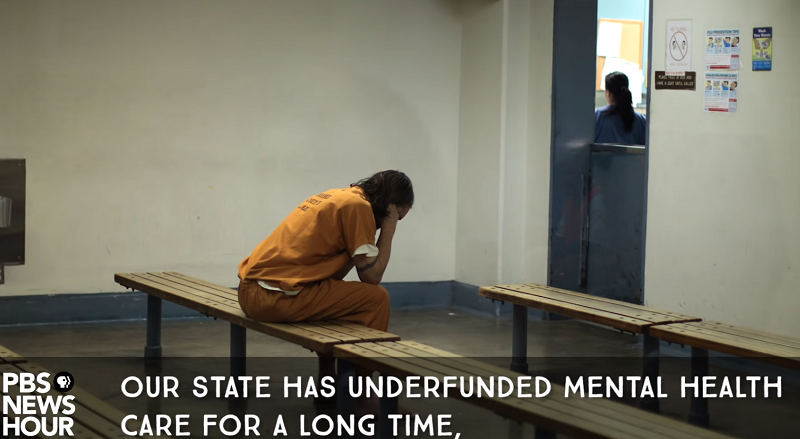
Jason Johnson, a reporter in Mobile, Alabama, explains that his local newspaper, the Lagniappe, helps report on mental health care in Alabama—a topic that wouldn’t be covered by national news venues. Watch the video and answer the discussion questions. 

  • He says Alabama underfunds mental health care, which has fallen to law enforcement and local jails. 
  • Mobile’s jails are not big enough and don’t have enough resources to accommodate everyone being incarcerated. 
  • Johnson finds that there are people who don’t know exactly how local government works, and local newspapers can “do some good by explaining things that affect people every day that they might not realize affect them.”

Discussion Questions

  1. Where does Jason Johnson report?
  2. Who is he reporting for?
  3. What is the issue Johnson identifies that his newsroom is in a unique position to cover?
  4. When did this issue arise and why?
  5. How can local journalism help address this problem, according to Johnson?

Focus Questions: The Importance of Local Journalism

  1. What do you think  is the importance of local journalism?
  2. Do you learn about current events mostly through national or local news outlets? Do you regularly watch or read any local news?
  3. What do you think will be the effect on communities if they lose all local investigative journalists?

Media Literacy:What stories that affect you do you think local news might cover that national news probably won’t?

Additional Resources

Investigative journalists have been an important part of the American social fabric since its earliest days. For instance, famed turn-of-the-century investigative journalist Nellie Bly changed conditions at a local mental hospital through her investigative work, ultimately impacting national legislation in the early 20th century.

Watch this video about PBS NewsHour EXTRA’s new website, Journalism in Action. The new website teaches students about the history of journalism in a fun way with primary sources and interactive activities. Then, answer the questions below and choose an activity for your students to complete!

  1. What does journalism throughout history show us about the importance of our First Amendment rights?
  2. What is the importance of learning about history from original sources of the time period?

Dig Deeper: Want to learn more about the role of the news media? Use this resource from iCivics to learn more about the role of the media. Note: You’ll need to register for a free iCivics account in order to access the lesson plan. In this lesson, students will learn:

  • Analyze the role of mass media in monitoring and influencing government and the public sphere.
  • Explain the impact of the media on monitoring and influencing government and the public sphere.
  • Analyze media communications for bias.
  • Recognize the media acting in its roles as  gatekeeper, agenda-setter, and watchdog.

Republished with permission from PBS NewsHour Extra.

PBS News Hour Classroom
PBS News Hour Classroom helps teachers and students identify the who, what, where and why-it-matters of the major national and international news stories. The site combines the best of News Hour's reliable, trustworthy news program with lesson plans developed specifically for... See More
Advertisement

Post a comment

Log in or sign up to post a comment.