


Why Target Is Being Boycotted, and How the Company Has Responded
Learn why a pastor is leading a boycott of Target and how the retailer has responded to growing consumer protests.
Share
August 28, 2025
Learn why a pastor is leading a boycott of Target and how the retailer has responded to growing consumer protests.
Share
Note: If you are short on time, watch the video and complete this See, Think, Wonder activity: What did you notice? What did the story make you think about? What would you want to learn more about?
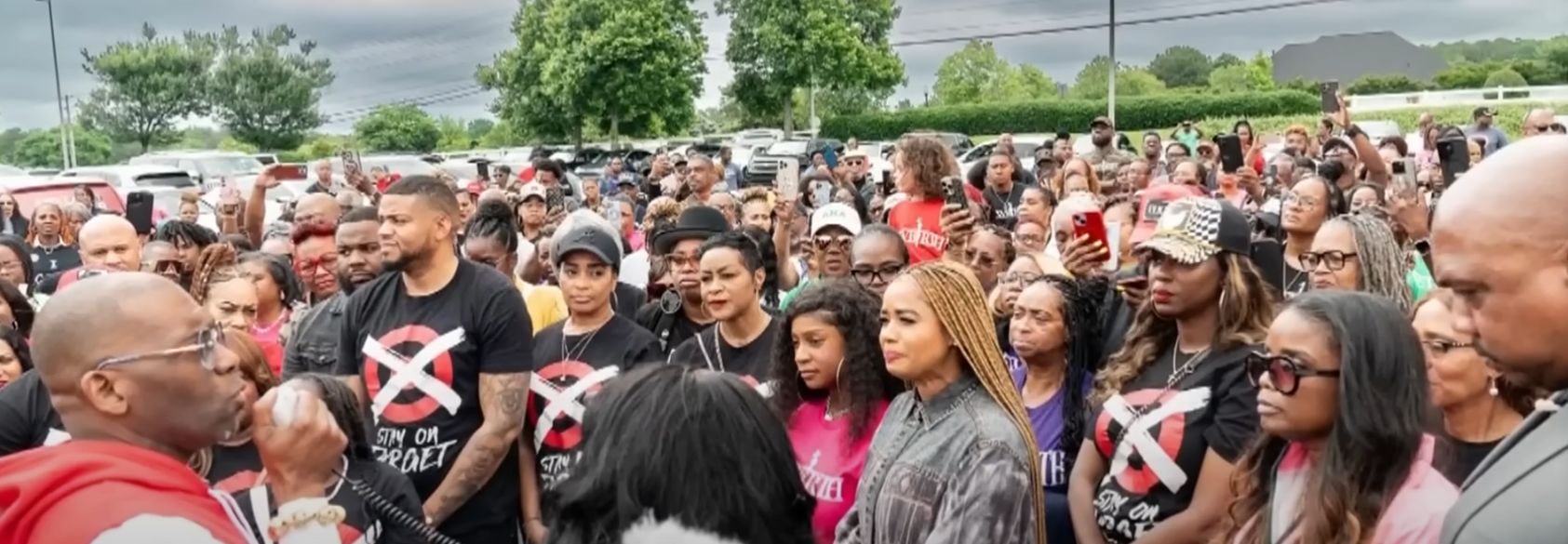
Target is reeling as sales have stalled and its stock price has plunged. The company faced backlash after a rollback of its DEI initiatives prompted a boycott that slowed store traffic nationwide, one of the factors that pushed CEO Brian Cornell to step down. Now, Target is scrambling to reset its image. Geoff Bennett discussed more with Pastor Jamal Bryant, who spearheaded the Target boycott.
View the transcript of the story.
Diversity, Equity and Inclusion (DEI) — A set of policies adopted by organizations like companies or governments that seek to address inequality and ensure people of all backgrounds can participate as citizens, employees or customers. The Trump administration has sought to punish companies and other organizations that have DEI policies on the argument that they cause discrimination instead of effectively addressing discrimination.
boycott — an organized refusal to buy a product or participate in a program with the goal of changing the behavior of a company, organization or government.
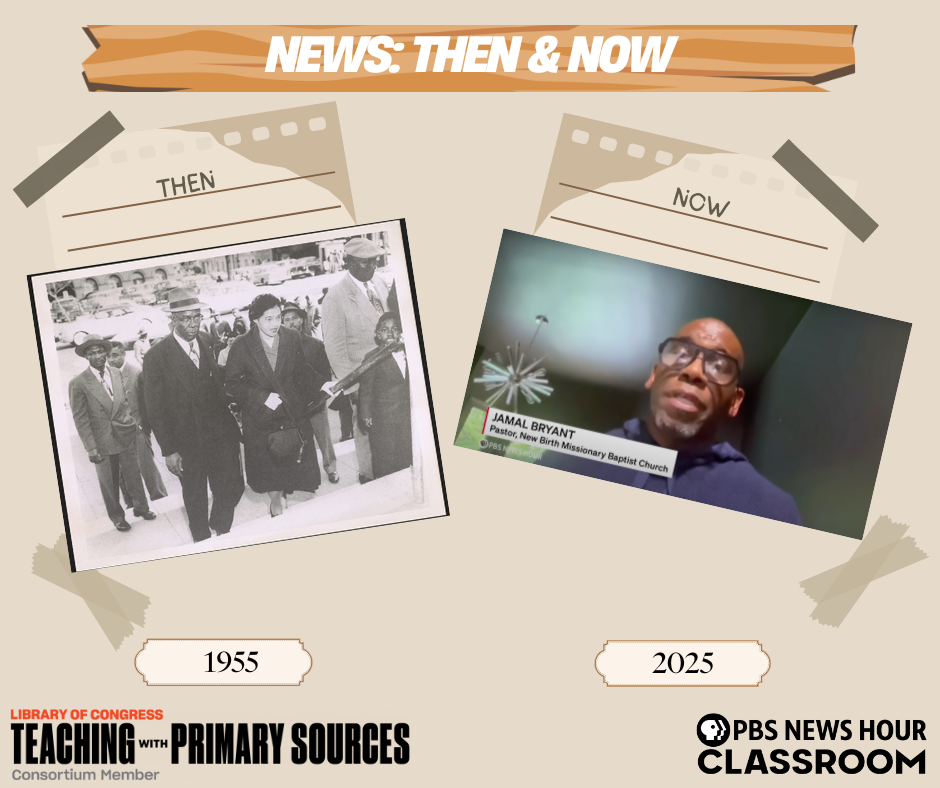
Many students know of Rosa Parks and her arrest for sitting at the front of the bus in Montgomery, Alabama, on Dec. 1, 1955. But fewer know the details of the bus boycott that Parks and other civil rights leaders organized following her arrest. Through the boycott, Parks and her fellow activists sought to use economic leverage to change the law — a large percentage of bus ridership in Montgomery was Black, and the boycott threatened the operating budget of the city's transportation system.
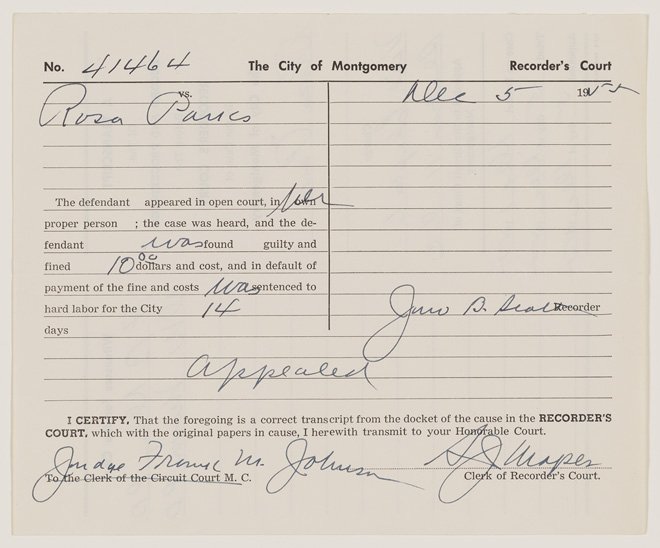
The NAACP, Martin Luther King, Jr. and others helped organize the boycott. At the time, the state of Alabama had laws in place against organizing boycotts. As the Library of Congress explains, "On February 21, 1956, a Montgomery grand jury indicted Rosa Parks, Martin Luther King, Jr., E. D. Nixon, and eighty-six other bus boycott participants for violating the Alabama Anti-Boycott Act of 1921. King was the first to be brought to trial. He was convicted on March 22, but Judge Eugene Carter suspended his $500 fine pending appeal. The other cases were ultimately dismissed."
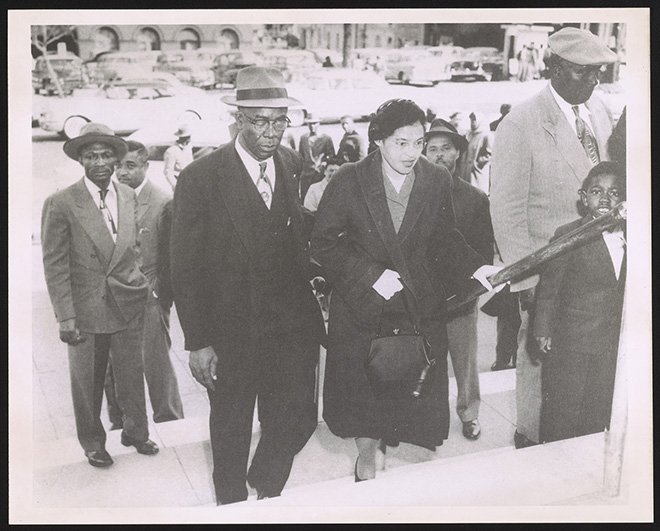
The boycott was accompanied by a lawsuit and national media tour that Parks participated in. Ultimately, Alabama's segregated transportation system was ruled unconstitutional by the Supreme Court in November of 1956.
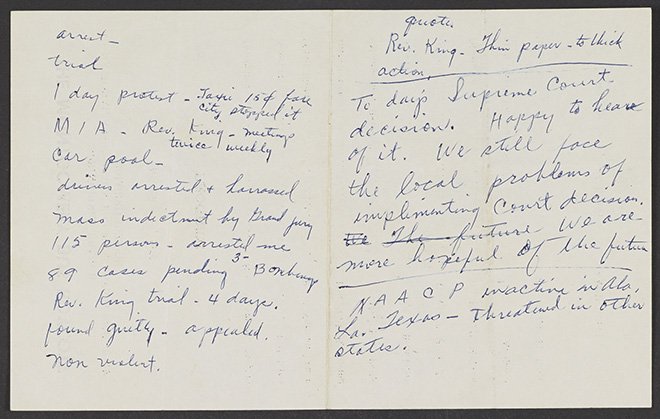
You can learn more about the boycott and Rosa Parks in this special exhibit from the Library of Congress.
Boycotts remain a popular strategy for activists trying to change the behavior or governments and private entities like corporations. Boycotts are even used internationally, including boycotts of the Olympics, to urge political change. The Target boycott discussed in the segment above is partly inspired by the Montgomery Bus Boycott, but boycotts can seek all kinds of change — including demands to keep things the way they are.
Republished with permission from PBS News Hour Classroom.